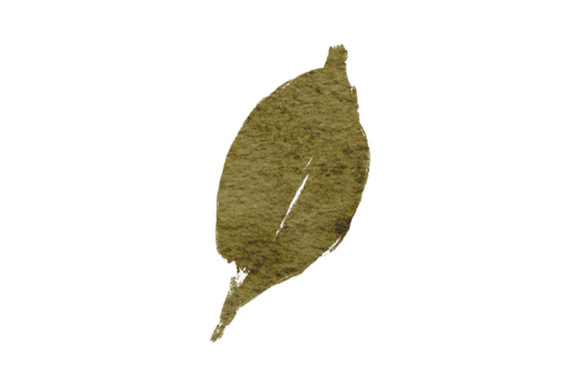
Watercolor Foliage Leaf Watercolor Paint and Illustrations
As a digital publisher and blog designer, I'm always on the lookout for high-quality graphic design assets that elevate content presentation and support editorial quality. The Watercolor Foliage Leaf Watercolor Paint is one such asset that offers a fresh, artistic approach to visual storytelling. With its soft, hand-painted aesthetic, it brings a sense of warmth and creativity to any project.
First Impressions: A Visual Mood for Creative Content
The Watercolor Foliage Leaf Watercolor Paint immediately conveys a lifestyle-focused, artistic vibe. Its delicate brushstrokes and muted tones suggest a modern design with a touch of nature. This makes it ideal for content niches like wellness, home decor, DIY projects, and lifestyle blogs. It feels both professional and playful, making it versatile enough for a range of editorial applications.
For publishers, this design asset can help set the tone for content that needs to feel authentic and visually engaging. Whether used in blog graphics or social media visuals, it adds a layer of sophistication without overwhelming the viewer.
Real Publishing Use Cases: From Featured Images to Social Media Graphics
The Watercolor Foliage Leaf Watercolor Paint is incredibly adaptable. It works well as a blog featured image, offering a clean, eye-catching backdrop that complements headlines and body text. For Pinterest pins, it provides a strong visual hook that encourages clicks and engagement. In article headers, it helps create a clear visual hierarchy, drawing attention to key sections of the content.
This graphic design asset also shines in website headers, where it can serve as a subtle background or accent. As a Canva template, it gives designers a quick way to produce consistent, professional-looking social media graphics. For downloadable resources like worksheets or printables, it adds an elegant touch that enhances the user experience.
Supporting Content Performance: More Than Just Pretty Pictures
Beyond aesthetics, the Watercolor Foliage Leaf Watercolor Paint contributes to stronger first impressions and better click-through potential. Its clean lines and natural color palette make it easy to pair with different fonts and layouts, ensuring it doesn’t clash with other design elements.
When used consistently across a website, it strengthens brand identity and improves reader trust. It also helps with category recognition, making it easier for users to navigate through content. For publishers, this means more polished, clickable content pages that align with the overall visual strategy of the site.
Where It Works Best: Editorial Accents and Content Upgrades
This design asset excels in hero images, article thumbnails, and Pinterest pins—places where a strong visual impact is crucial. It also serves as a great editorial accent in newsletters, adding a touch of creativity without distracting from the main message.
For lead magnets and downloadable resources, it elevates the perceived value of the content. As a digital guide or printable design, it reinforces the quality of the product and enhances the user’s experience. In social media previews, it helps content stand out in crowded feeds.
Where to Use It Carefully: Avoiding Overuse and Misapplication
While the Watercolor Foliage Leaf Watercolor Paint is beautiful, it may not be the best choice for every situation. On small mobile thumbnails, its intricate details can become lost, reducing its effectiveness. In text-heavy blog images, it might compete with the copy rather than support it.
It also works less well on low-contrast backgrounds or in busy layouts where simplicity is key. For serious professional niches or corporate websites, a more minimal visual system might be preferable. Publishers should consider the context and audience when deciding where to use this asset.
Publisher Notes: Testing and Optimization Tips
Before integrating the Watercolor Foliage Leaf Watercolor Paint into your workflow, test it on both desktop and mobile screens. Ensure it looks good as a thumbnail and fits well within a real blog layout. Check how it pairs with headline text and review contrast and readability.
Try it in black and white to see if it still holds up. Experiment with different font styles—serif, sans serif, script, handwritten, and display—to find the best combination. Keep an eye on file size for web performance and compress images properly before uploading.
Finally, confirm the commercial license to ensure it’s suitable for monetized websites, affiliate pages, or paid content products. Always verify that the design asset meets the requirements of your creative marketplace or digital download platform.
Conclusion: A Versatile Asset for Creative Publishing
The Watercolor Foliage Leaf Watercolor Paint is a valuable addition to any digital publisher’s toolkit. Its artistic appeal and versatility make it suitable for a wide range of editorial and web design applications. Whether you're creating blog graphics, social media visuals, or digital guides, it offers a fresh, professional look that supports content marketing efforts.
By using it thoughtfully and testing it thoroughly, publishers can enhance their brand identity, improve visual hierarchy, and create more engaging, clickable content. For those looking to elevate their design assets, this leaf watercolor paint is a smart choice that delivers both style and substance.